

Should you study Media, Hospitality, and IT in Korea?
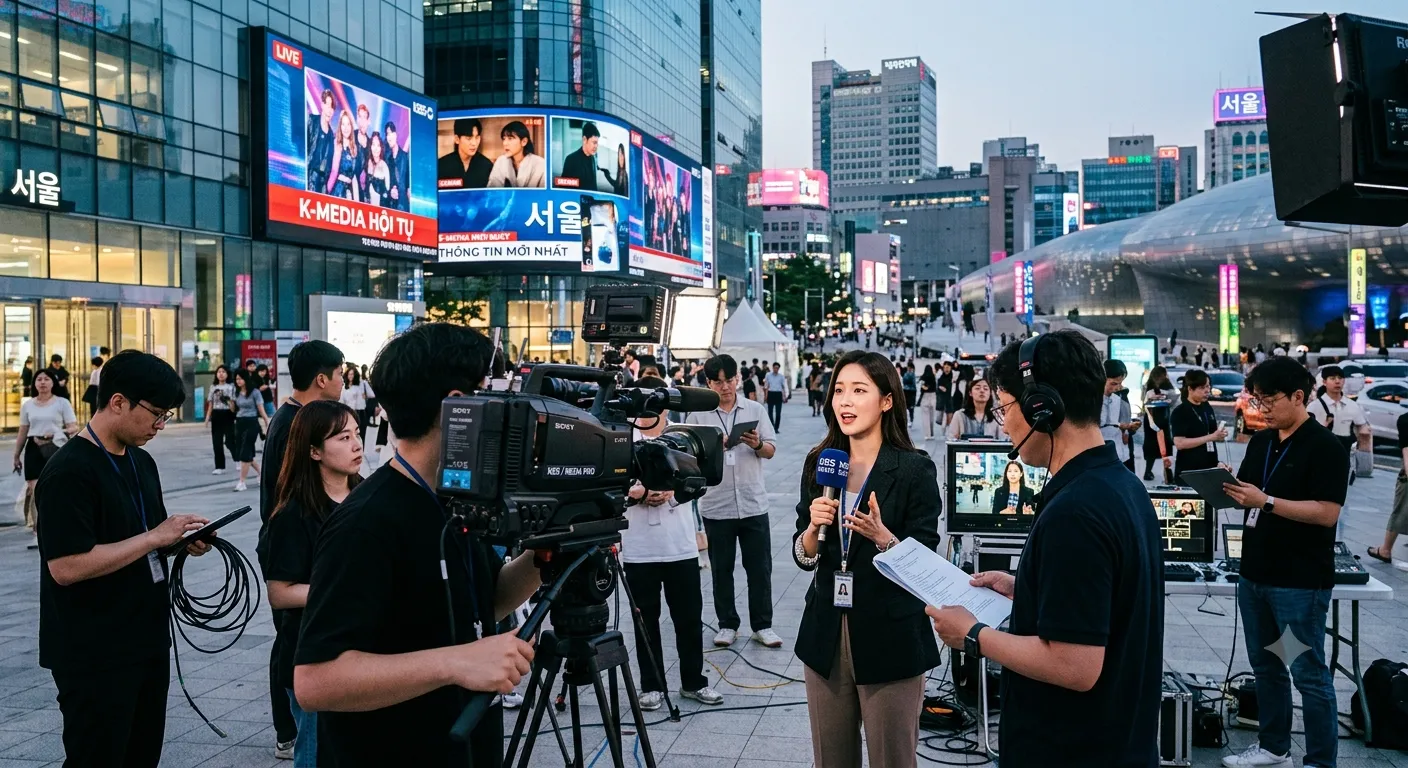
Communications in South Korea: The cradle of the global entertainment industry
South Korea is a powerhouse in media and entertainment. From K-Pop and K-Dramas to reality shows, this country possesses world-class production technologies and promotional strategies.
Dynamic real-world environment: You get to study right at the heart of the Hallyu wave, gaining access to the most advanced media technologies, production techniques, and creative mindsets.
Massive internship opportunities: Many universities maintain close partnerships with major broadcasting stations (KBS, SBS, MBC) or entertainment conglomerates (CJ ENM, HYBE, SM, YG).
Globally recognized degrees: Graduating in this field in Korea opens up opportunities to work at entertainment companies and transnational advertising agencies.
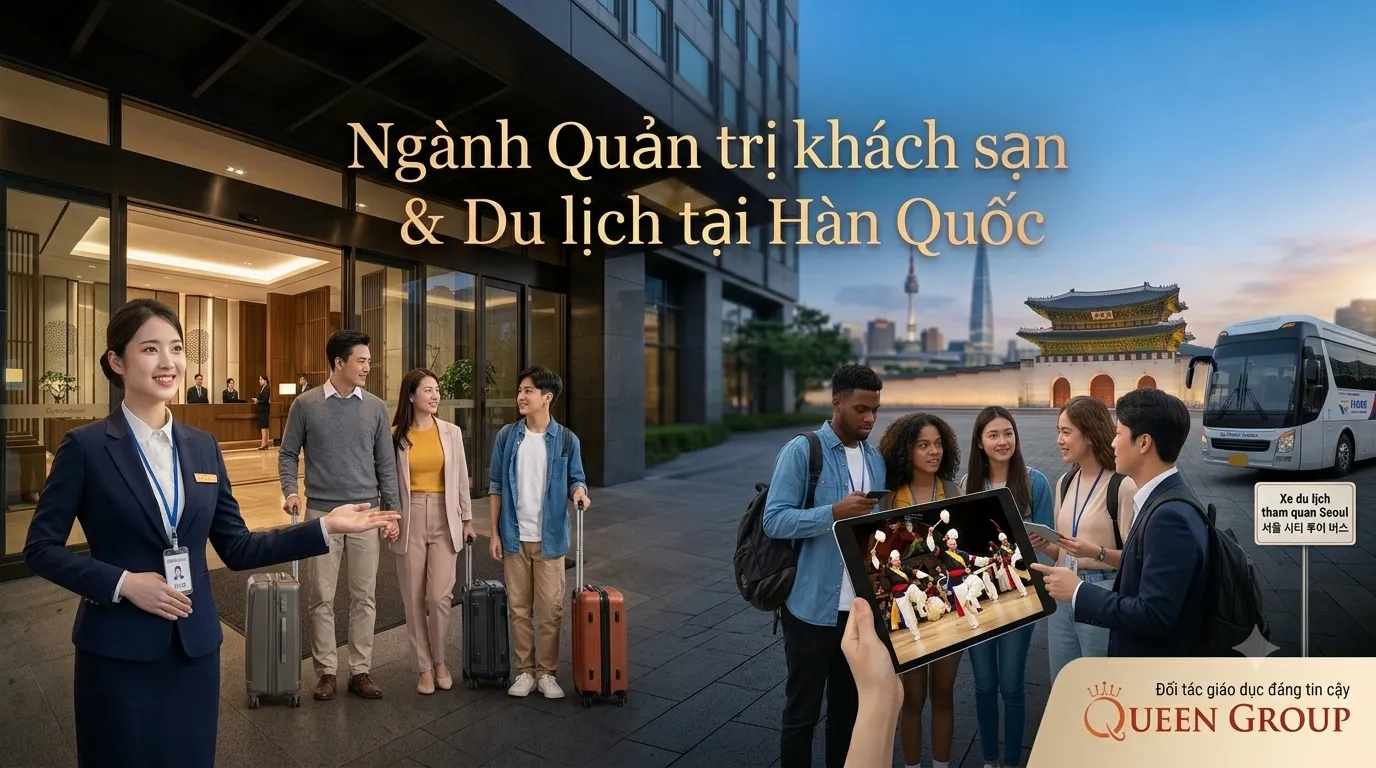
Hospitality & Tourism Management: Experiencing international service standards
South Korea's smokeless industry is flourishing, driven by modern tourism infrastructure and a massive influx of international visitors.
- Low settlement probability: South Korea prioritizes engineering visas over service industry sectors. Post-graduation, converting to a working visa (E-7) for this field is quite strict.
- Starting salary: It is typically lower compared to engineering fields, and the pressure of manual labor during the early stages can be quite high.
Practical curriculum: The program heavily emphasizes hands-on practice, soft skills development, restaurant and hotel management, and event organization.
Multicultural environment: Many universities offer programs taught 100% in English (or bilingual English-Korean), which helps alleviate the pressure of learning Korean in the initial phase.
Paid internship opportunities: Students can intern at international 5-star hotel chains right during their studies.
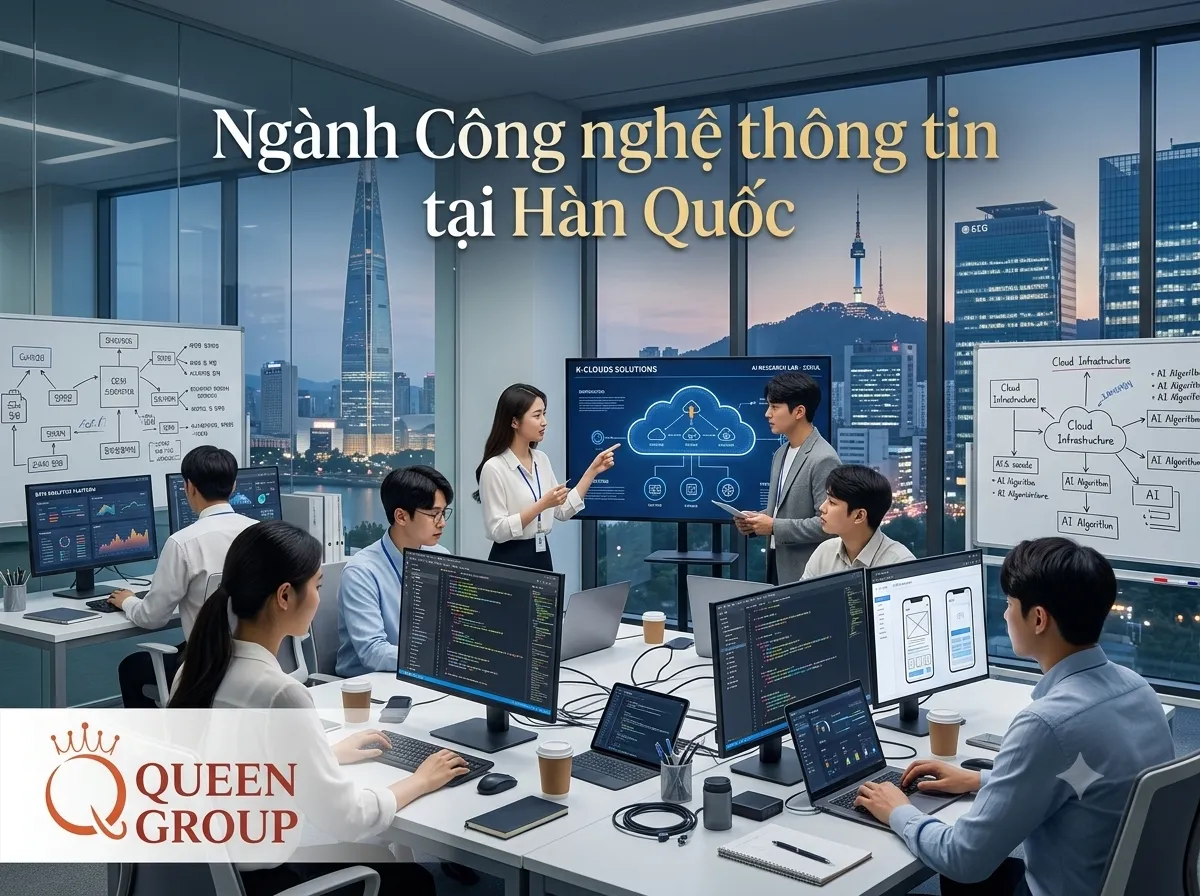
Information Technology (IT): Leading the digital era trends
South Korea is the home of tech giants like Samsung, SK Hynix, and Naver. The nation leads the way in 5G networks, AI, and internet infrastructure.
'Red carpet' visa policies: South Korea is facing a severe shortage of high-quality IT talent. The government offers various preferential policies to grant residency visas (such as F-2-7 or E-7) to international students graduating from STEM fields in Korea.
Attractive salary: The income of IT engineers in Korea ranks among the top tiers in the labor market.
Superior systems thinking: You get to work on large-scale system architecture problems, performance optimization, and cutting-edge technologies (AI, Big Data, Cloud).